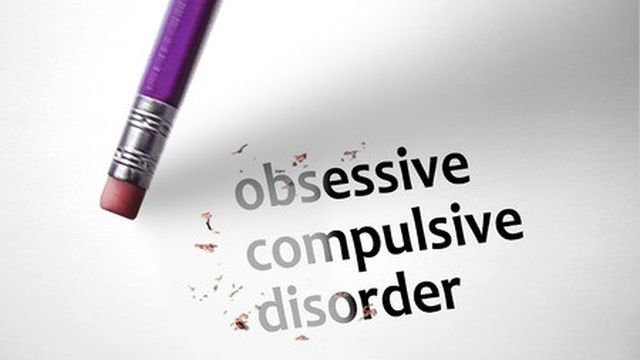
Obsessive-compulsive condition is a persistent problem that materializes itself via uncontrollable and repeated ideas as well as behavior.
Obsessive-compulsive problem is a persistent problem that materializes itself via uncontrollable, persistent ideas (fascinations) and also actions (obsession). The individual who has these ideas and also behaviors really feels the requirement to duplicate them constantly.
This kind of problem is so extreme that it can still disrupt a person’s everyday tasks and also cause substantial stress and anxiety and suffering.
Individuals attempting to disregard or stop their obsessions do nothing however raise the level of anxiety as well as anxiety. Ultimately, they really feel compelled to practice those uncontrollable tasks to reduce their stress.
The obsessive-compulsive condition has a tendency to have a particular theme, as an example, the concern of microbes. To decrease the worry of contamination, the person can wash their hands compulsively, so they can frequently trigger injuries.
People that deal with the obsessive-compulsive problem might feel embarrassed due to their condition; nonetheless, there is a reliable treatment for this problem. Together with the clinical treatment for this disorder, one must join any type of mental health facility recovery teams.
Symptoms and signs
Obsessive-compulsive illness usually entails obsessive and compulsive conditions. Nonetheless, only compulsive symptoms or uncontrollable signs and symptoms are possible for a human.
In many cases, individuals with these symptoms do not realize their existence but eat them from the time designated to everyday tasks, social activities, or work.
Obsessive signs and symptoms
The fixations existing in obsessive-compulsive disorder are undesirable, repeated, relentless. These appear by needs, impulses, or photos that are invasive and also generate anxiety as well as tension. These fascinations generally take place when you intend to carry out a different task.
Typically fascinations have certain styles, such as:
Fear of contamination or concern of dust.
The demand to have actually points organized in a specific way and to be balanced.
Aggressive thoughts regarding damaging other individuals or yourself.
Undesirable ideas that may consist of religious, sexual, aggressive subjects.
Some instances of symptoms and signs could be:
Because of the concern of being polluted, the individual does not touch the things already touched by other individuals.
Doubts regarding shutting the door or range.
High degree of tension when items are not prepared in a specific method or are not positioned encountering a particular instructions.
Ideas regarding screaming profanities or acting inappropriately.
Avoid particular situations that can activate fascinations, such as drinking hands.
Anxiety is triggered by the look in the mind of undesirable sex-related photos or thoughts of injuring a person or oneself.
Signs and symptoms uncontrollable
Compulsions from obsessive-compulsive condition are repeated activities that the person really feels the need to exercise. These repetitive actions are indicated to reduce anxiety as a result of fixations. However, doing these actions does not bring pleasure, as well as the relief is just short-lived.
As with fascinations, compulsions typically have a details style, such as:
Hand washing.
Repetitive verification.
Numbering.
Everything ought to be in order.
Developing a strict regimen.
Examples of symptoms and signs of compulsions consist of:
Cleaning hands until skin damage.
Examine the doors repetitively to make certain they are locked.
Examine the cooktop consistently to ensure it is shut.
Counting in specific patterns.
Duplicating a particular expression, petition, or a particular word.
Organizing items (e.g. canisters) to make sure that they are all facing each other in a specific instructions.
Obsessive-compulsive condition generally occurs in teenage years. Signs and symptoms normally show up slowly and often tend to differ in severity throughout life. In general, the signs intensify when an individual experiences a high degree of stress. Obsessive-compulsive disorder is taken into consideration a disorder that lingers throughout life.
CREATE
The root causes of this disorder are not totally known. The main theories include:
Biological reason. Obsessive-compulsive disorder can be the result of modifications in the chemical nature of the body or brain function.
Genes. This condition may also have a genetic component, however details genes have not yet been discovered.
Threat variables
Elements that may raise the threat of establishing or causing obsessive-compulsive condition consist of:
Family history. Individuals who have parents or various other relative identified with this problem go to boosted threat of creating this problem.
Demanding events. If a person has actually experienced a stressful or traumatic occasion, then the risk of establishing this kind of problem boosts. Responses to that event can cause intrusive thoughts or emotional distress feature of obsessive-compulsive problem.
Other mental illness. Obsessive-compulsive problem can be linked to various other psychological illness such as stress and anxiety disorder, depression, drug abuse, motor tics.
Complications
Some of the troubles arising from this sort of condition include:
Illness such as call dermatitis, gotten after frequent hand washing.
Impossibility to participate in work, school, or social activities.
Partnership problems.
Low quality of life.
Thoughts about suicide.
There is no risk-free way to stop obsessive-compulsive condition. Nonetheless, starting therapy as early as possible can stop the problem from becoming worse.
Diagnostics
To help identify obsessive-compulsive disorder, the adhering to actions can be carried out:
Health examination. This check is carried out to dismiss various other troubles that could be causing the symptoms as well as to check for possible complications.
Clinical experiments.– research laboratory tests. These can need a full blood count to verify thyroid activity as well as alcohol or other medicines screening.
Mental examination. This consists of conversations of ideas, sensations, emotions, symptoms, and behavior patterns. With the consent of the impacted individual, the expert medical professional can likewise talk to relative or pals.
Sometimes, obsessive-compulsive problem can be hard to identify due to the fact that the symptoms might resemble those of obsessive-compulsive personality disorder, stress and anxiety disorder, depression, schizophrenia, or various other mental illness.
It is feasible that there is an obsessive-compulsive disorder at the same time as one more mental illness. Because of this it is essential to deal with a specialist to receive a correct diagnosis as well as the required therapy.
Treatment
Obsessive-compulsive condition is typically treated with psychiatric therapy, medicine therapy, or a combination of the two. Although the therapy is not medicinal, it can aid manage symptoms. Some people require lifelong therapy.
Although most people with this problem react well to therapy, some individuals remain to have symptoms. Therefore, much more efficient methods of therapy are frequently being investigated.
A possible kind of treatment would certainly be deep mind stimulation, but this has not been extensively checked in the therapy of obsessive-compulsive problem as well as might present specific dangers.
It is suggested that clients involved in this method of treatment meet for the first time with a consultant.
 Tech Strike